
Please support our declaration of
resistance to assisted suicide and euthanasia in the UK and beyond
The ODOC Declaration
As healthcare professionals, we have a legal duty of care for the safety and wellbeing of our patients.
We affirm, in line with the World Medical Association Declaration on Euthanasia and Physician-Assisted Suicide (adopted by the 70th WMA General Assembly, Tbilisi, Georgia, in October 2019), our utmost respect for human life and our opposition to euthanasia and physician-assisted suicide.
No doctor, nurse, or other healthcare professional should be forced to participate in euthanasia or assisted suicide, nor should they be obliged to make referral decisions to this end.
Any change in the law undermines the public’s trust in healthcare professionals and would devalue the inherent dignity of frail, elderly, and disabled patients.
The prohibition of killing is the only safeguard that will protect our patients.
We will not take our patients’ lives, even if they ask us and the law allows.
Instead, we have a duty of care towards those in pain and in distress, to help them to live until they die.
Add Your Name to the ODOC DECLARATION
What are your colleagues saying?
Hover over a quote to pause the slide
“Every life is inherently precious and holds so much value. As a doctor I am deeply concerned about the implications for our island if we cross the line into allowing assisted suicide in Jersey. I do not believe that any safeguards can be made sufficiently rigorous or robust enough to truly protect those who are most vulnerable – those that already may feel a burden to their families due to care demand and costs, old age and mental health issues. Our duty as clinicians is to care for each individual. How can we best alleviate suffering at the end of someone’s life? Let’s do palliative care well and let’s start by investing the resource that is required.”
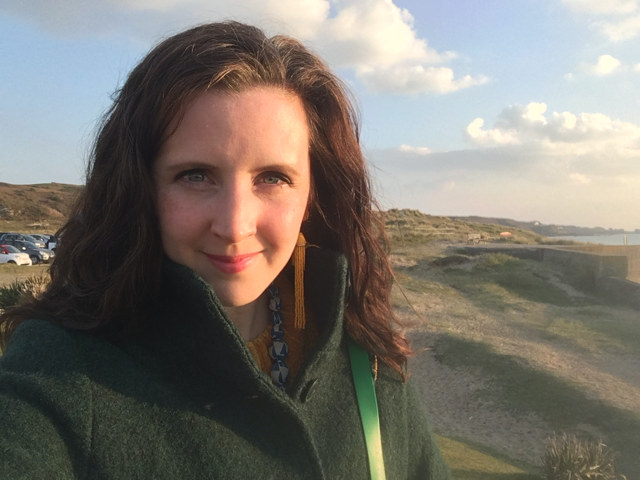
Dr Sarah OgbornGP Trainee, Jersey
“As a Psychiatrist I work daily to bring hope and recovery to patients with suicidal thoughts. Every jurisdiction that has brought in assisted dying has seen a rise in the background suicide rate too. I don’t want Jersey to be a place where suicide is just accepted, and we stop striving to improve people’s sense of value and quality of life whatever their situation.”
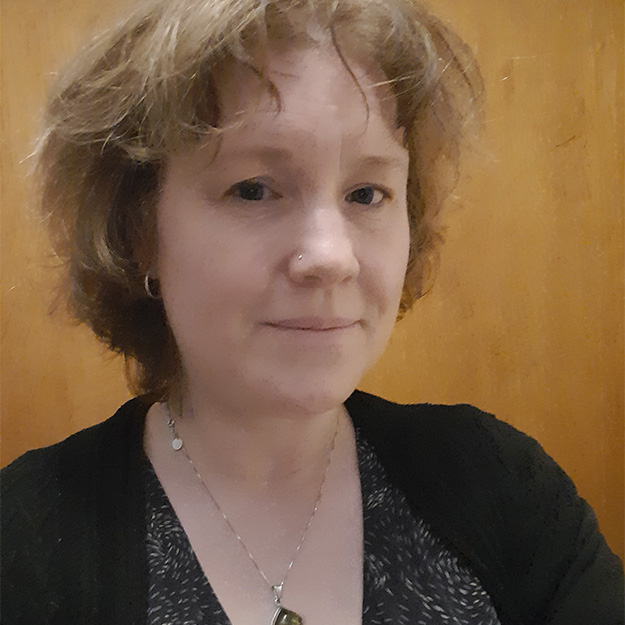
Dr Rachel RuddyConsultant Psychiatrist, Jersey
‘Legalising assisted suicide and euthanasia is a seismic legal, ethical and moral change and it carries serious risks to society and particularly its most vulnerable members. There is remarkably little scientific evidence to support legalisation of euthanasia and assisted suicide. Proponents of ‘assisted dying’ make it sound like a well-researched, well established medical intervention; this is not the case.’
Dr Carol DavisConsultant in Palliative Medicine, Southampton and Jersey
It took only 12 years from legalising Euthanasia, for Belgium to extend their laws to allow the euthanasia of children, with The Netherlands following soon after. I am worried that any move towards legalising assisted dying here would also rapidly end in the removal of safeguards for children with chronic or life limiting conditions. This would place an unbearable burden on sick children, but also on their parents and clinicians who would be forced to constantly weigh up whether a child’s quality of life is really “worth it”.
Dr Tracy Arun-Castro ST3 Doctor in London, born and raised in Jersey
Over the 37 years as a family doctor, I have had the privilege to be with many patients during their final illness and subsequent death as well as their loved ones. Assisted suicide, as in other jurisdictions would open up a minefield of harm and danger with progressive stretching of law once introduced, coercion of the vulnerable for financial gain, loss of trust of patients & relatives regarding care, Increased general suicide rate / ‘normalising suicide , reduced palliative care resourcing, risk to disabled & mental health patients and those suffering from depression.
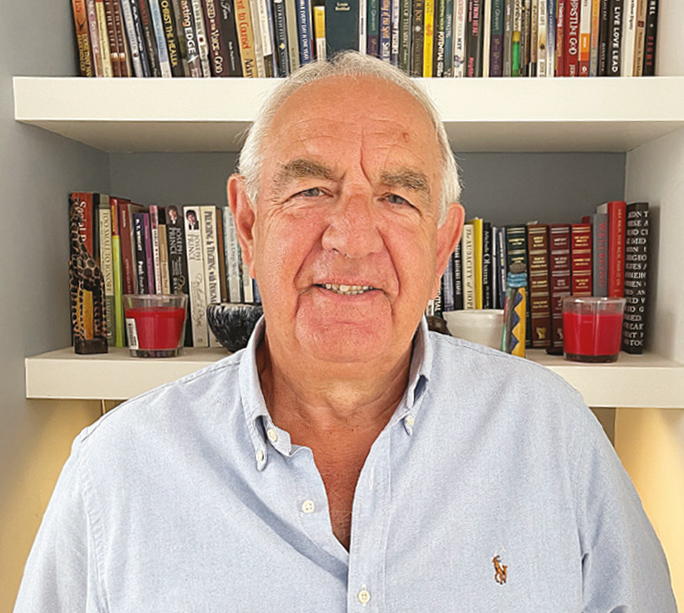
Dr John Stewart-JonesFormer GP, Jersey
Many people may fear loss of quality of life which is clearly subjective but research tells us that those with long term chronic conditions, including dementia, continue to move the goal posts for this threshold as their illness progresses.
Our patients must feel reassured and safe in the knowledge that caring for them as they approach death is not a burden, but an absolute privilege. Caring well for someone in death completes a natural life cycle and should be our focus. Dying naturally but well is also important in helping those we leave behind to accept a loss in a way that assisted dying may not.
Ginnette KitchenClinical Nurse Specialist, Older Adults Mental Health, Jersey
Previous
Next
Share this with your colleagues
Facebook
Twitter
LinkedIn
WhatsApp
Email